
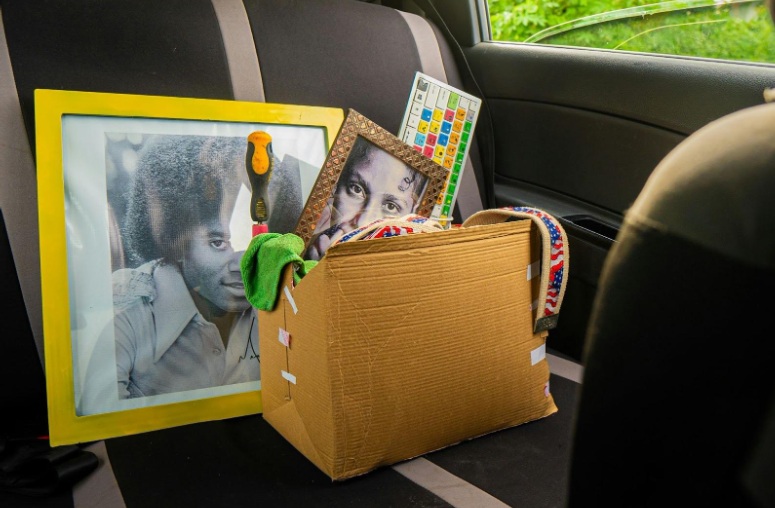
The name sounds morbid, but Swedish death cleaning (döstädning) is actually one of the most practical decluttering philosophies you’ll encounter. The premise is simple: gradually declutter your life so that when you die, your loved ones aren’t burdened with sorting through decades of your accumulated stuff. It’s decluttering motivated by consideration for others rather than aesthetic minimalism or productivity optimization.
The Swedish approach is refreshingly pragmatic and unsentimental compared to other decluttering methods. It doesn’t promise that letting go of objects will spark joy or transform your life—it simply acknowledges that you will die eventually, and dealing with your stuff now is kinder than leaving it for others later. In that way, it’s similar to choosing to play baccarat online with intention rather than impulse: awareness of outcomes shapes more deliberate decisions. This reframing makes decluttering feel less like self-improvement and more like practical consideration for the people you love. It’s not about achieving minimalism; it’s about curating what matters and releasing what doesn’t before someone else has to do it for you.
Why Death Cleaning Works Differently
Most decluttering methods focus on you—your space, your peace, your aesthetic. Death cleaning shifts the motivation to others, which paradoxically makes it easier for many people. When you imagine your children or friends sorting through boxes of your stuff after you’re gone, suddenly keeping that collection of coffee mugs from places you’ve visited feels less important. The mortality framing also creates clarity about what actually matters.
The Core Principles
Start now, not later: The Swedish approach is gradual, starting in middle age and continuing throughout life.
Keep what brings current value: Not “might I need this someday,” but “does this serve my life right now?”
Consider the burden: Would you want someone you love to deal with this later?
Share stories, not stuff: Tell the stories now, then let the objects go.
Let go without guilt: Objects served their purpose; it’s okay to release them.
What to Tackle First
Personal items no one else would want. Collections your family doesn’t share. Duplicates and excess. “Maybe someday” projects that realistically won’t happen.
What to Keep (According to Swedish Tradition)
Items you use and enjoy now, meaningful sentimental pieces, organized documents, specific heirlooms with named recipients, and quality items that support your current life.
The Conversation Piece
Death cleaning involves honest conversations: “Do you want this?” If not, you can let it go without guilt. This prevents keeping items “for the kids” that they don’t actually want.
The Emotional Work
Letting go often means releasing past identities or accepting change. The memories remain even when the objects don’t.
Wrapping Up
Swedish death cleaning reframes decluttering from self-optimization to kindness toward the people you’ll leave behind. By gradually releasing what no longer serves your current life, you reduce future burden and gain present clarity. It’s not about minimalism—it’s about intention. Start with the items that would be awkward or painful for others to sort through later and handle them now, thoughtfully. Keeping what truly matters and releasing what lingers out of inertia is both practical and freeing—exactly as the Swedish intended.