
Introduction
Energy plays a vital role in modern society. It powers homes, industries, transportation systems, and nearly every technological device used today. However, traditional energy sources such as coal, oil, and natural gas are limited and contribute heavily to environmental pollution and climate change. As a result, the world is increasingly turning toward renewable energy sources that are cleaner and more sustainable. One of the most effective and widely adopted renewable technologies is solar power, generated through solar panels.
Solar panels capture sunlight and convert it into electricity that can be used in homes, businesses, and even entire cities. Over the past two decades, solar technology has improved dramatically, becoming more efficient and affordable. Today, solar panels are used in small residential systems as well as large solar power plants that produce electricity for millions of people.
This article explores solar panels in detail, including their structure, working principles, benefits, challenges, and their growing importance in the global energy transition.
Understanding Solar Panels
Solar panels, also called photovoltaic (PV) panels, are devices designed to convert sunlight into electricity. They are made up of many smaller units called solar cells. Each solar cell generates a small amount of electricity, but when combined into a panel, they can produce significant power.
Solar panels are typically installed on rooftops, open land, or specially designed solar farms. When sunlight strikes the panel’s surface, it triggers a chemical reaction within the cells that produces electrical energy.
Most solar panels are designed to operate for 25 to 30 years, making them a long-term investment for clean energy production.
Structure of a Solar Panel
A solar panel consists of several important layers and components that work together to generate electricity.
Solar Cells
Solar cells are the core component of the panel. They are usually made from silicon, a semiconductor material capable of conducting electricity under certain conditions.
Protective Glass Layer
A durable glass layer covers the solar cells to protect them from weather, dust, and physical damage while allowing sunlight to pass through.
Encapsulation Material
Encapsulation materials hold the solar cells in place and protect them from moisture and environmental damage.
Back Sheet
The back sheet acts as insulation and protects the internal components of the solar panel.
Metal Frame
A strong aluminum frame surrounds the panel to provide structural support and make installation easier.
How Solar Panels Work
Solar panels generate electricity through a process known as the photovoltaic effect. This process occurs when sunlight interacts with semiconductor materials in the solar cells.
Step 1: Sunlight Absorption
When sunlight reaches the solar panel, photons from the sunlight strike the surface of the solar cells.
Step 2: Electron Activation
The energy from the photons excites electrons in the silicon atoms, causing them to break free and move.
Step 3: Electric Current Generation
The movement of these electrons creates a flow of electricity known as direct current (DC).
Step 4: Conversion to Usable Electricity
Since most homes use alternating current (AC), an inverter converts the DC electricity into AC electricity.
Step 5: Electricity Distribution
The electricity produced can be used immediately, stored in batteries, or supplied to the power grid.
Different Types of Solar Panels
There are several types of solar panels available today, each with different efficiency levels and manufacturing processes.
Monocrystalline Solar Panels
Monocrystalline panels are made from a single crystal structure of silicon. They are highly efficient and have a long lifespan.
Advantages:
- High efficiency
- Long durability
- Better performance in low-light conditions
Disadvantages:
- Higher cost compared to other types
Polycrystalline Solar Panels
Polycrystalline panels are made from multiple silicon fragments melted together.
Advantages:
- Lower production cost
- Reliable performance
Disadvantages:
- Slightly lower efficiency compared to monocrystalline panels
Thin-Film Solar Panels
Thin-film solar panels use very thin layers of photovoltaic material placed on surfaces such as glass or metal.
Advantages:
- Lightweight
- Flexible
- Lower manufacturing cost
Disadvantages:
- Lower efficiency
- Larger area required for installation
Advantages of Solar Panels
Solar panels provide numerous benefits for individuals, businesses, and the environment.
Renewable Energy Source
Solar energy is renewable and virtually unlimited. As long as the sun shines, solar panels can produce electricity.
Reduced Electricity Bills
Generating electricity at home or in businesses reduces dependence on utility providers and lowers electricity costs.
Environmentally Friendly
Solar power produces no greenhouse gas emissions during operation, helping reduce pollution and combat climate change.
Low Maintenance
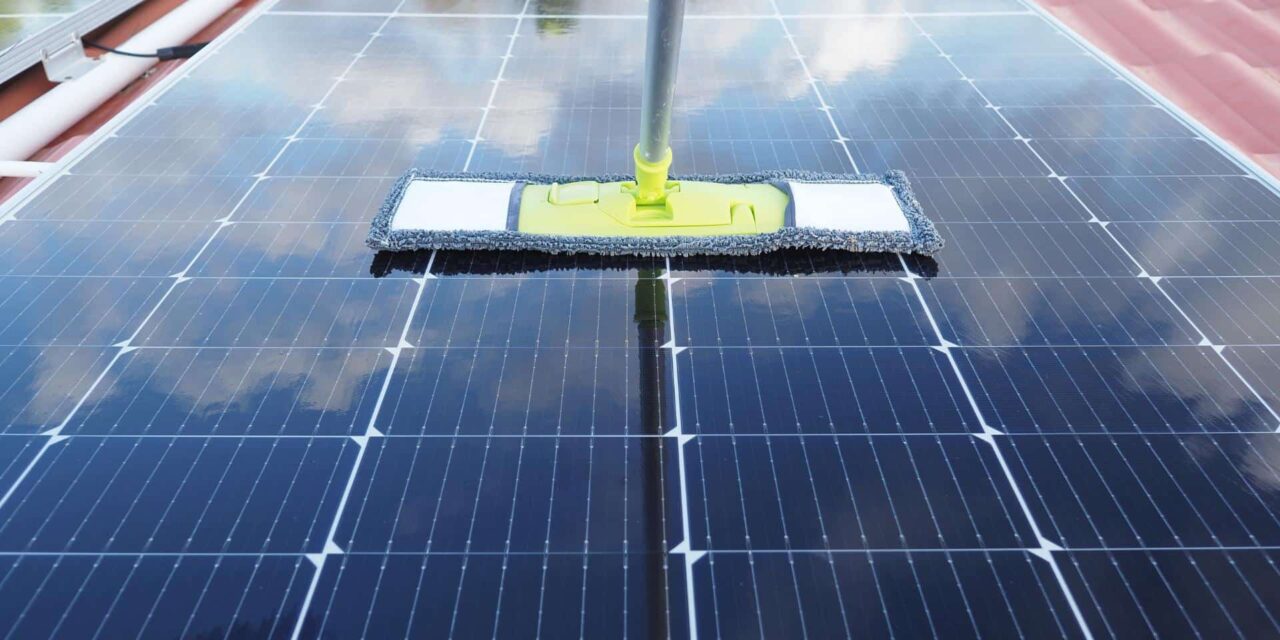
Solar panels require minimal maintenance. Cleaning and occasional inspections are usually sufficient.
Energy Independence
Solar energy allows countries and households to rely less on imported fossil fuels.
Job Opportunities
The growing solar industry has created millions of jobs in manufacturing, installation, and research.
Challenges of Solar Panel Adoption
Despite their benefits, solar panels also face some limitations.
High Upfront Investment
The initial installation cost can be expensive, although prices have decreased significantly in recent years.
Weather Dependence
Solar panels depend on sunlight, which means energy production decreases during cloudy days or at night.
Energy Storage Issues
Without battery storage, excess energy generated during the day may not be available at night.
Space Requirements
Large solar installations require considerable space, particularly for solar farms.
Solar Panels in Residential Use
Residential solar systems are becoming increasingly popular around the world. Homeowners install rooftop panels to reduce electricity costs and minimize environmental impact.
A typical home solar system may include:
- Solar panels
- Inverter
- Mounting structure
- Electrical wiring
- Optional battery storage
Many governments offer tax incentives, rebates, or subsidies to encourage homeowners to adopt solar energy.
Solar Energy in Commercial and Industrial Sectors
Businesses and industries are also investing heavily in solar power. Commercial buildings often have large roofs suitable for solar panel installations.
Industries use solar energy to power manufacturing equipment, warehouses, and office buildings. In many cases, companies install solar systems to reduce operating costs and demonstrate environmental responsibility.
Large corporations are also signing solar energy agreements with renewable energy providers to power their operations sustainably.
Global Growth of Solar Energy
Solar energy has experienced rapid growth in recent years. Many countries are expanding solar infrastructure to reduce carbon emissions and meet renewable energy targets.
Countries leading in solar power production include:
- China
- United States
- India
- Germany
- Japan
- Australia
These nations are investing billions of dollars into solar technology development and installation.
Future Developments in Solar Technology
The future of solar panels looks promising due to continuous innovation.
Advanced Solar Cells
New materials such as perovskite solar cells may significantly increase solar efficiency while lowering production costs.
Solar Battery Improvements
Better battery technology will allow more effective storage of solar energy for nighttime use.
Smart Solar Systems
Smart monitoring systems allow users to track energy production and optimize energy consumption.
Solar Integration in Infrastructure
Solar technology may soon be integrated into roads, vehicles, and building materials, creating energy-generating infrastructure.
Conclusion
Solar panels have become one of the most important renewable energy technologies in the modern world. By converting sunlight into electricity, they offer a clean, sustainable alternative to traditional fossil fuels. As technology continues to improve, solar panels are becoming more efficient, affordable, and widely accessible.
While challenges such as installation costs and energy storage remain, ongoing innovations are steadily overcoming these obstacles. Governments, businesses, and individuals are increasingly recognizing the importance of solar energy in building a sustainable future.

