
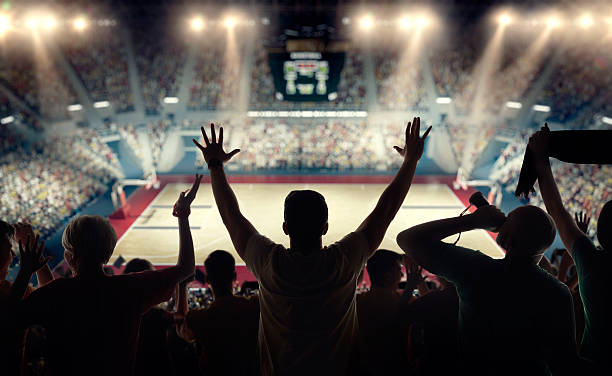
From professional stadiums to neighborhood gyms, lighting has always played a decisive role in sports. Visibility affects performance, safety, broadcasting quality, and even the emotional atmosphere of competition. In recent years, LED strip lighting—especially flexible, durable designs—has moved from being a decorative add-on to a functional core of sports environments. As technology advances, LED strip lights are no longer just about brightness; they are tools that enhance training, competition, and fan engagement across a wide range of sports.
One of the most important shifts in sports lighting is precision. Traditional floodlights illuminate large areas uniformly, but they lack flexibility. LED strip lights, by contrast, can be installed along specific zones: track lanes, court boundaries, stair edges, or equipment racks. This targeted lighting improves spatial awareness for athletes. In indoor sports such as basketball, volleyball, or badminton, subtle LED strips embedded along court lines or walls help players better judge distance and positioning without causing glare. For fast-paced sports where milliseconds matter, that visual clarity can translate directly into better performance.
Outdoor sports have also benefited significantly from LED strip applications. Weather resistance is critical in environments exposed to rain, snow, heat, and dust. Waterproof LED strip lights are now commonly used around football fields, tennis courts, and running tracks. They can mark pathways, highlight perimeter fencing, or provide auxiliary lighting under stadium seating and walkways. In large-scale venues, procurement teams often turn to Waterproof LED strip lights wholesale suppliers to ensure consistent quality, large quantities, and cost efficiency for expansive installations. This approach allows stadium operators to maintain visual uniformity while managing long-term operational budgets.
Beyond visibility, LED strip lights play a growing role in athlete training. In sports science and professional coaching, visual cues are increasingly used to improve reaction time, coordination, and tactical awareness. LED strips can be programmed to change color or intensity in response to drills. For example, in agility training for soccer or basketball, strips installed along the floor or walls can light up in random sequences, prompting athletes to move, pivot, or sprint toward specific zones. This kind of interactive lighting transforms ordinary practice sessions into data-driven, engaging experiences that sharpen both physical and cognitive skills.
Safety is another area where LED strip lighting has proven its value. Sports facilities are often busy, high-traffic environments, especially during major events. Clearly lit stairways, ramps, and emergency exits reduce the risk of accidents for athletes, staff, and spectators alike. LED strips installed along steps or handrails provide continuous guidance even in low-light situations. Unlike traditional bulbs, LEDs generate less heat and are more durable, making them suitable for areas where physical contact or vibration is common. In ice rinks, swimming complexes, and aquatic sports centers, waterproof LED strips ensure reliable illumination without compromising electrical safety.
The influence of LED strip lights extends beyond athletes to the spectators who fuel the sports industry. Modern fans expect more than just a game; they want an experience. Dynamic lighting synchronized with music, team entrances, or scoring moments has become a signature feature of major sporting events. LED strips installed around scoreboards, seating sections, and architectural elements can instantly change colors to match team branding or celebrate key moments. This immersive environment amplifies crowd energy and strengthens emotional connections between fans and teams, both in the stadium and through broadcast visuals.
Broadcasting and media production have also driven innovation in sports lighting. High-definition and ultra-high-definition cameras demand consistent, flicker-free illumination. LED strip lights, when properly designed, meet these technical requirements while offering creative flexibility. They can be hidden behind structures or integrated into set designs for post-game interviews, mixed zones, and studio segments within sports venues. The result is cleaner visuals, stronger branding, and a more polished presentation for global audiences.
Sustainability is an increasingly important consideration in the sports world, and lighting choices are a major part of that conversation. Large stadiums consume enormous amounts of energy, and reducing their environmental footprint is both an economic and social priority. LED strip lights are significantly more energy-efficient than traditional lighting solutions and have a longer lifespan, reducing maintenance and replacement costs. For sports organizations aiming to meet green building standards or sustainability goals, upgrading to LED-based systems is a practical and visible step forward.
At the grassroots level, community sports facilities are also embracing LED strip technology. Smaller gyms, school fields, and training centers benefit from affordable, scalable lighting solutions. LED strips can be installed gradually, adapted to different sports, and reconfigured as needs evolve. This flexibility makes them ideal for multi-purpose venues where basketball courts might transform into futsal pitches or fitness spaces within the same day.
As sports continue to evolve, so does the infrastructure that supports them. LED strip lighting represents more than a technological upgrade; it reflects a broader shift toward smarter, more interactive, and more human-centered sports environments. Whether enhancing athletic performance, improving safety, elevating fan experiences, or supporting sustainability goals, these lighting systems have become an integral part of how modern sports are played, watched, and remembered. The glow along a court edge or the pulse of color after a winning goal is no longer just light—it’s part of the game itself.

